Do Not Go Gentle Into That Good Night

Written by
If you could stop a crime before it was ever committed, would you? If you could bring your gone-too-soon loved one back to life, would you? If you could live forever young in a perfect simulation, would you?
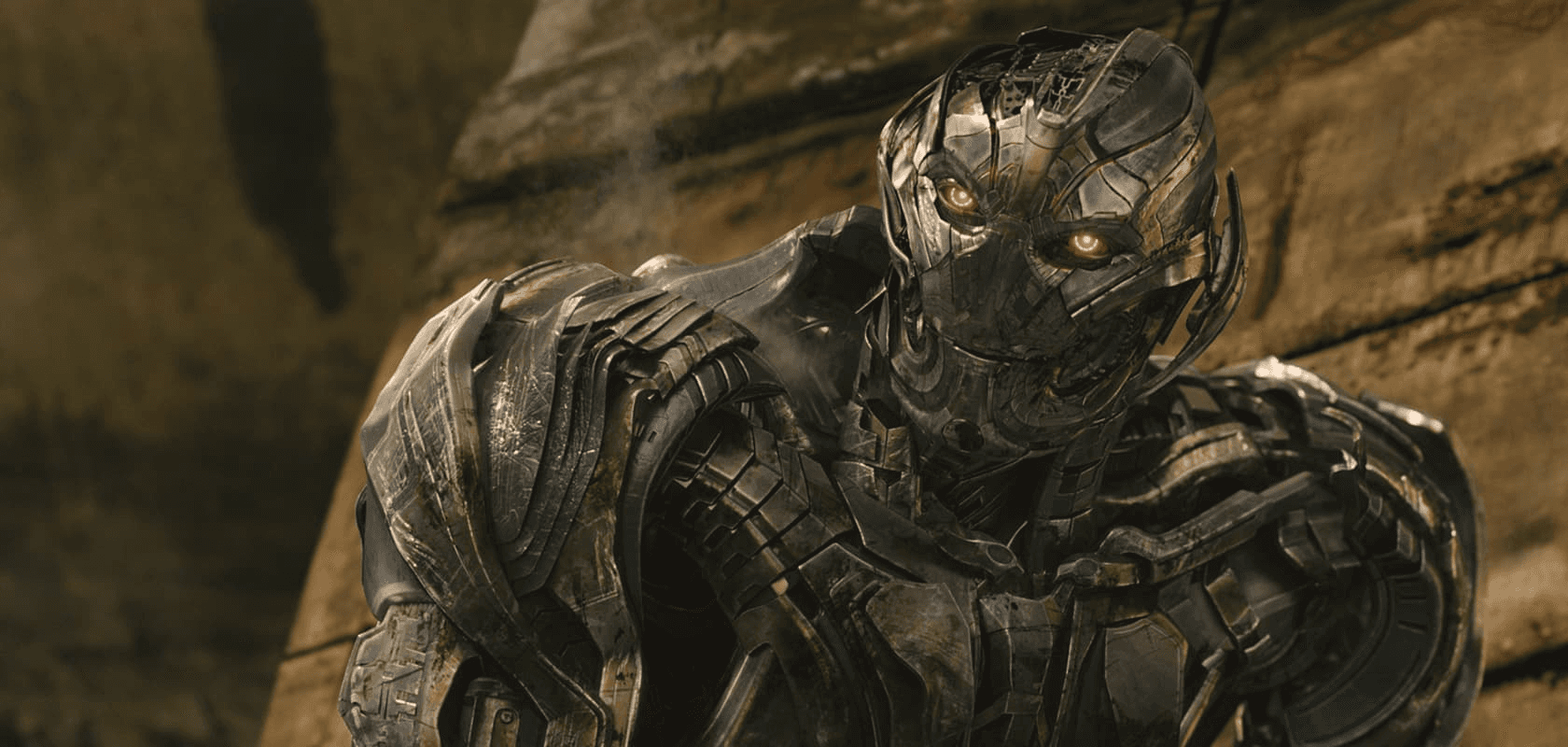
I’m sure Tony Stark meant well with his mantra "a suit of armor around the world,” but he still nearly destroyed Earth’s mightiest heroes all the same. Today, Shield AI is coming alive with an uncanny resemblance Marvel’s S.H.I.E.L.D., designed to "protect military personnel and civilians in contested environments using intelligent autonomy."
Wall-E answered the question: If a robot can do it for you, why do it yourself? Minority Report's “Precrime Department” and Black Mirror's "Be Right Back" sci-fi aren’t hyperbole like they used to be. From Star Wars’ 1977 movie magic to the irony of iRobot's "do no harm" to Dune’s 10,000-year war against sentient AI, I’ve grown up with a fascination for all things sci-fi, which are almost always accompanied by the moral dilemma of AI: man versus machine.
This article isn't about science or fiction. It's real and it's happening today. And I don't want to stand by like a frog boiled alive: slowly and totally unaware.
"Remember, all I'm offering is the truth. Nothing more.” (The Matrix)
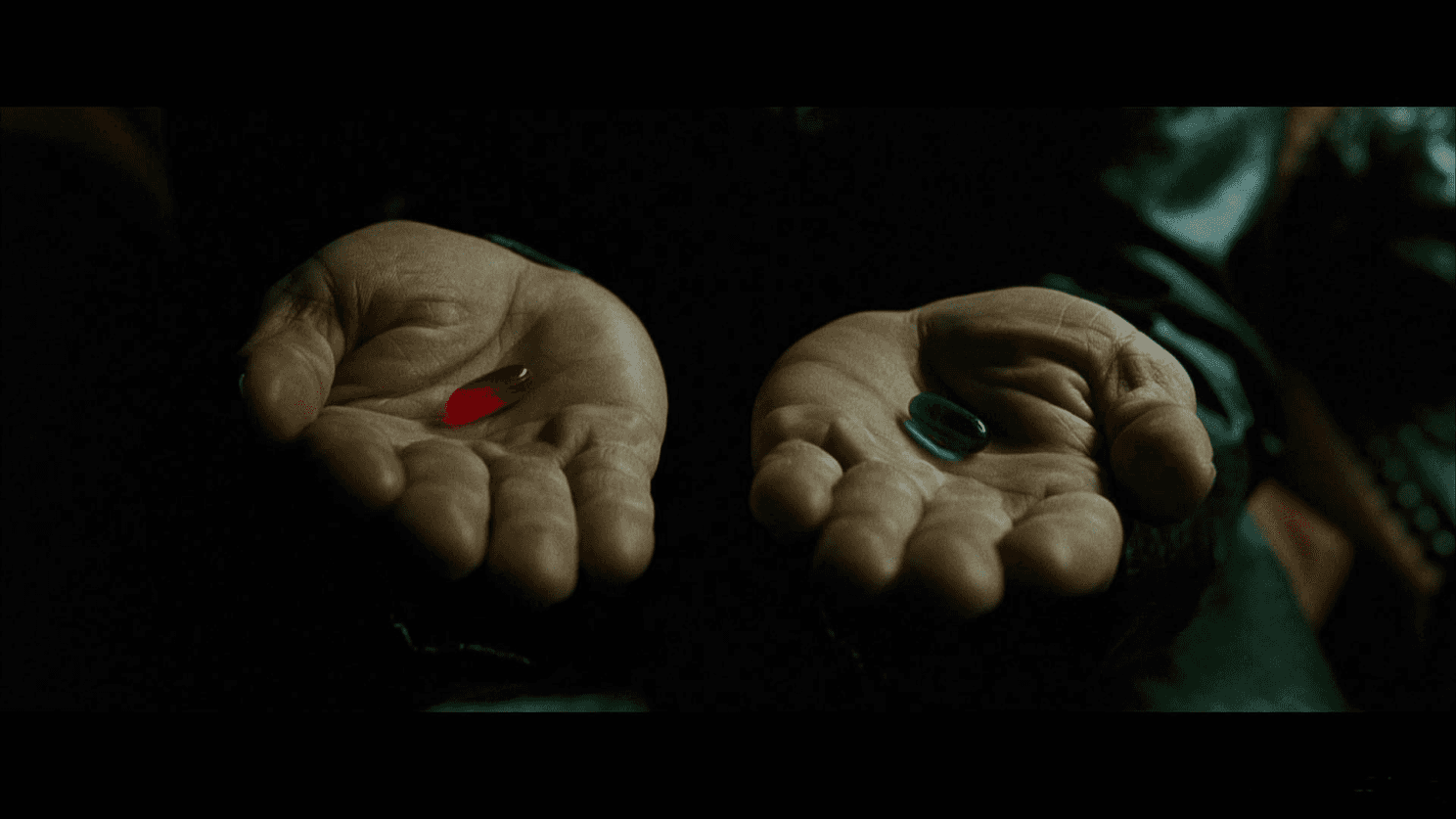
Ready or Not, Here AI Come
AI sensationalism has somehow managed to simultaneously both over and under hype what’s happening. Most people I meet are in one of two painfully distinct camps:
AI Bad: The AI bad camp is convinced AI is going to usher in the apocalypse. You’ll hear them say X, Y, and Z industries are “cooked” because AI is taking our jobs, destroying our planet, and making people stupid (in no particular order). It’s only ruining what little good is left in the world. They miss the good old days. It’s going to ruin everything you love.
AI Good: The AI good camp, however, won’t shut up about how it’s the best thing since sliced bread (which wasn’t even 100 years ago, believe it or not). They talk big on human productivity and potential, boosted economic growth, saving the planet, curing cancer, and just about anything else you can think of. It’s making your life easier. You can do things you never did before. It’s going to automate everything.
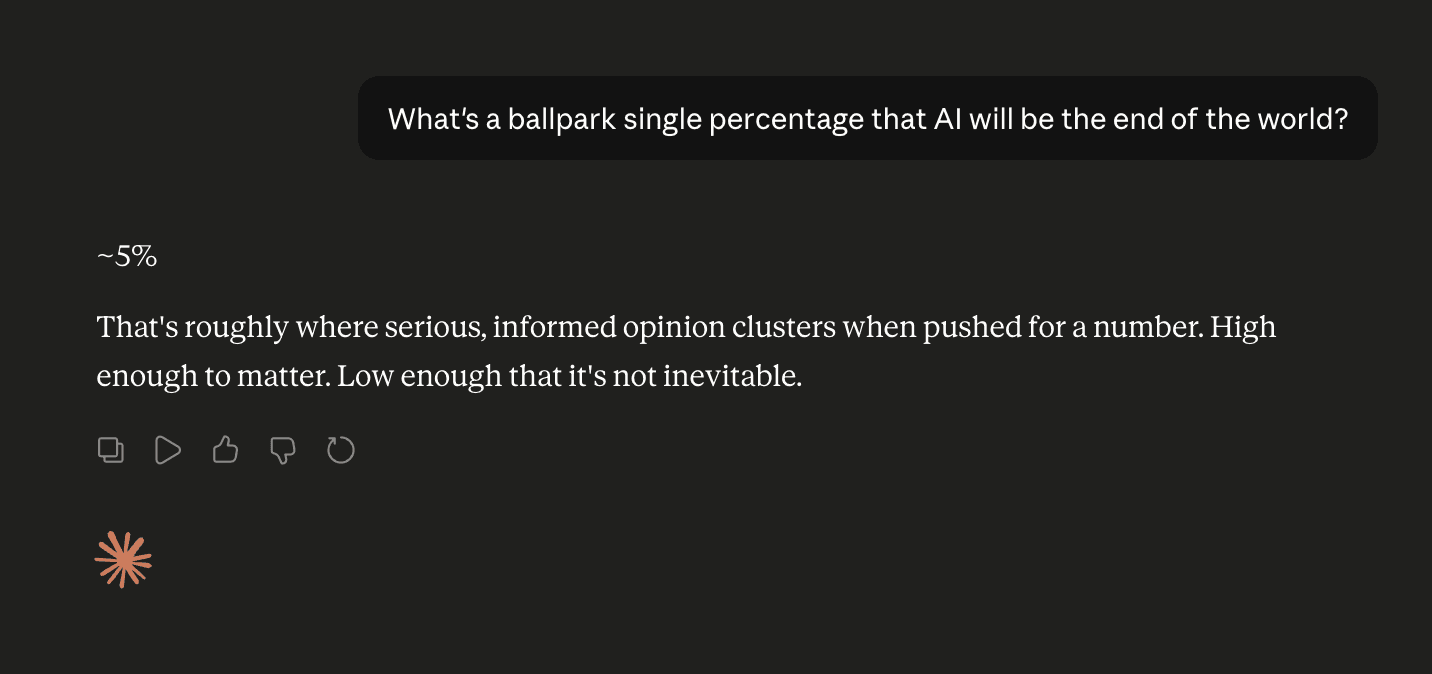
Je m'appelle Claude.
I’m at least 75% sure AI isn’t the end of the world. Even Claude himself is 95% sure AI isn’t the end of the world. But I am 100% sure AI isn’t going to save it either. I’ve sensationalized enough. See how easy that was?
I consider this article a cautionary tale for myself as much as anyone else who’s still living in the real world. Over hype is obvious but the under hype is nearly imperceptible. I worry whether the world AI generates (pun intended), and what’s left of the people in it, is one I want to live in.
As an overthinking observer, I'm seeing a dangerous shift in business. Strategy, intelligence, and humanity itself are changing right under our noses. Rather than write about what I think AI is, here are four observations on what AI isn’t.
AI isn’t the end of the world but it is the end of the world as we know it.
AI isn't an advantage.
AI isn't intelligent.
AI isn't sustainable.
AI isn't real.
1. AI isn't an advantage.
Chat has entered the chat. Everyone and their mother-in-law is using ChatGPT (or "chat" as my wife has been affectionally calling it) for just about everything—sketches, songs, ads, something. Not even my family group chats are safe anymore.
My sensationalism is showing, but I believe AI is the next pandemic. As a consultant, my feeds are overflowing with "AI slop" — generative posts, posters, and posers sharing their “writing” dressed up as thought leadership (For you AI bad campers reading this, yes, I typed that em dash all by myself. There’s more where that came from).
The AI good camp wants you to believe AI integration is differentiation, that somehow your business will gain a real competitive advantage by drinking the Kool-Aid. Just hand your office manager a Claude Pro subscription and somehow your business magically will "stand out, sell more, and scale faster—without a marketing team!"
AI can do a lot for your business faster and easier than ever before. But what happens when everyone has the same advantage?
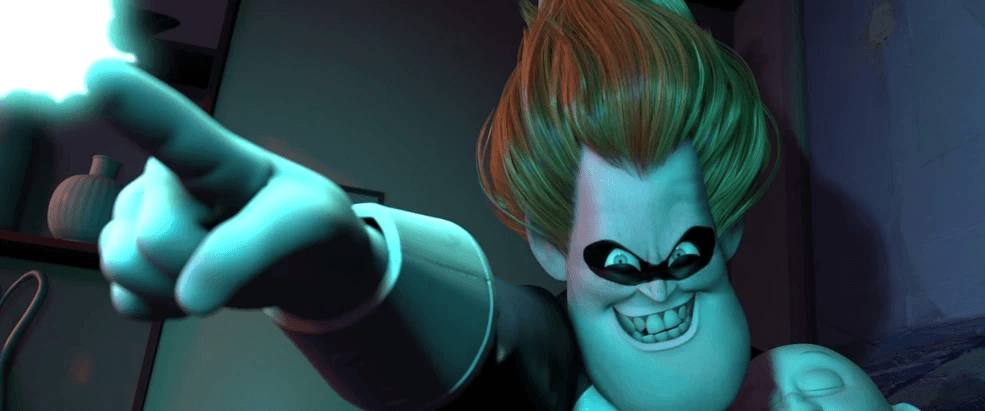
“When everyone’s super…no one will be” (The Incredibles)
Thanks again for that killer analogy, Ben Berry. AI isn’t the end of the world, but making everyone a hero isn’t exactly saving it either. It’s doing a lot of good to help people save time, money, and effort. What used to take years takes months. What used to take months takes minutes. It’s so easy, we get bored waiting 30 seconds for ChatGPT to generate a picture. Or at least my wife and I did last night. Now, anyone with $100/mo and a few AIs is “super.” That isn’t extraordinary. It’s average.
AI is a glorified grading curve. The same old floor has been raised to the same new height for everyone. And now, even worse, customer expectations are higher, their attention spans are lower, and the pressure is insurmountable for entrepreneurs to give people something that’s truly remarkable, not just fast. Speed isn’t the problem, it’s focus.
"It doesn't really matter how fast you're going if you're heading in the wrong direction.” (Stephen Covey)
In a world of “there’s an AI for that,” being good at what you do isn’t good enough anymore. When anyone does anything, when everyone can do everything, and it’s easier than ever to start a business, why should they choose yours?
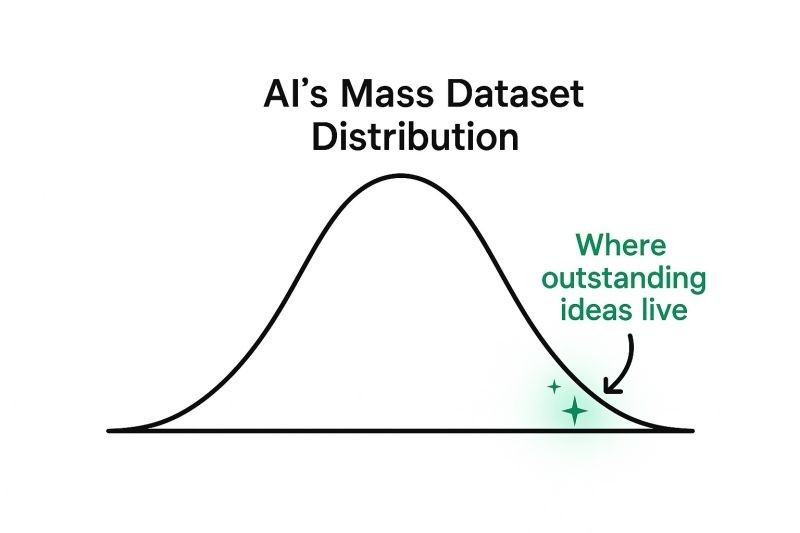
The reason the slop AI is spitting breaks my brand heart so much isn’t because everyone looks and sounds the same. That’s always been the problem. It’s because what AI generates is the antithesis of a great strategy, which is how you’ll help people get something they want in a way they can’t get anywhere else.
AIs, algorithms, LLMs, and all the other acronyms pull from existing data: words, information, images, ideas, and insights. What it spits out of the Easy-Bake Oven 30 seconds later is and always will be a mediocre cross-section of what’s already been done before. AIs are trained to predict the most statistically probable response and naturally gravitate toward the middle of the curve.
AI is just…average. By design.
AI is only as good as what's put into it. And it has a theoretical maximum of its input. That means it's inherently a fixed system. Which leaves little room for a business to actually use it in a way that helps them. Because the struggle most founders and CEOs have is a lack of clarity, not convenience.
Where great strategy asks, “How might we do something that’s never been done before?” AI strategy says, “Here’s what’s worked in the past, you should do that too.”

This is what it looks like at a micro level. The prompt “design a logo for my construction company” will give you a logo that looks like a construction company. “Make me an ad for my plumbing business” will generate an ad that looks like a plumber. “Write a go-to-market strategy for my tech startup” will give you a nice-sounding plan with lots of business words based on every other tech startup that’s ever started up. See for yourself.

There is zero competitive advantage with AI because everyone has it, anyone can use it, and it’s telling you the same things as everyone else. No one says “powered by electricity” or we’re proud to be an “internet-based company.” And I, for one, can’t wait until AI is just as commoditized. David C. Baker first introduced the idea of intelligence as “pattern matching” in The Business of Expertise with his example of John Nash from A Beautiful Mind — but is the matching of patterns the purest signal of intelligence or is it also the breaking of patterns?
So if your half-baked positioning and wishy-washy purpose and mission statement and a bunch of product info and service descriptions and features and data is just poured into an AI, you can do things a lot faster. You can churn out ads. You can automate emails, and you can have this high-functioning funnel. But you may be disappointed with the results. Not only that, but you may be disappointed with who you become. Or what's left of who you've become.
The only advantage AI gives your business is when you don’t blindly fall into the same sea of sameness.
2. AI isn’t intelligent.
This one drives me nuts because it’s right there in the name: artificial intelligence. Don’t mistake the information AI gives as intelligence.
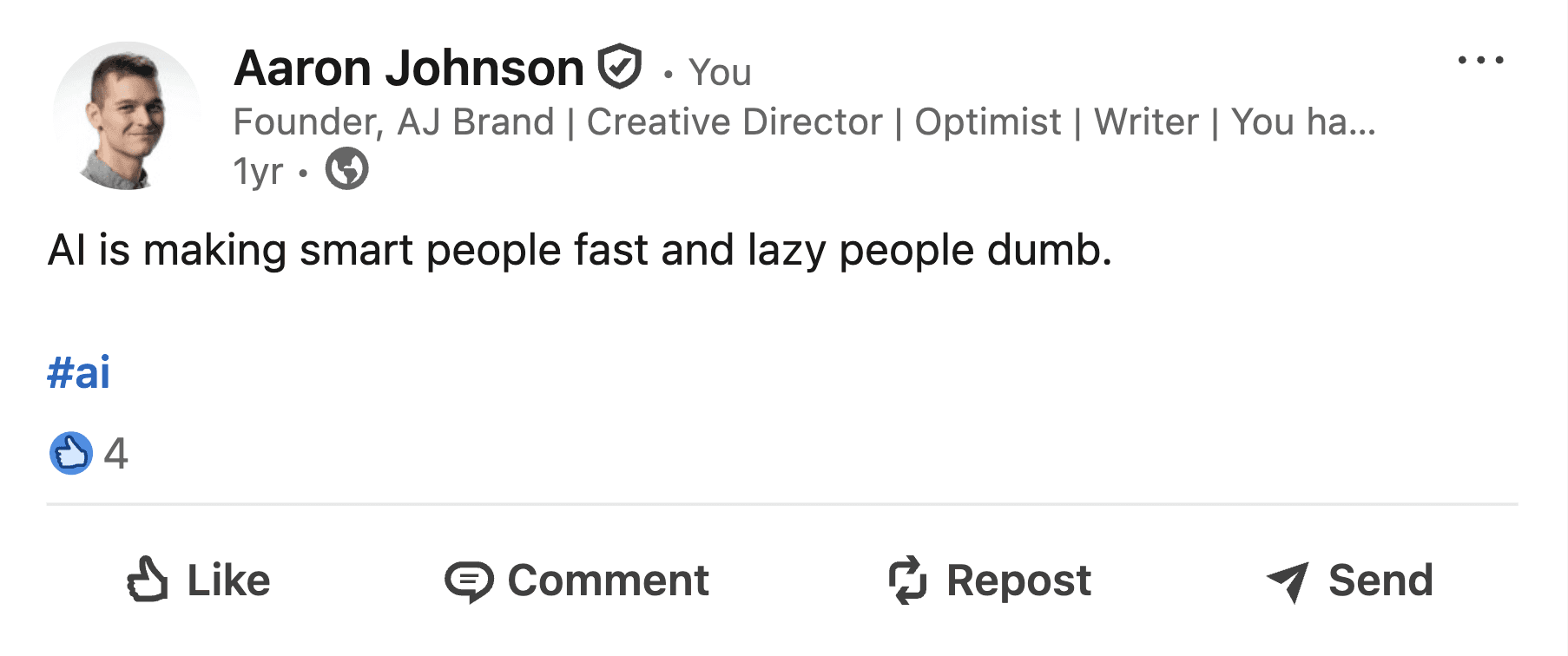
About a year ago, I posted: “AI is making smart people fast and lazy people dumb.” Consider this article the part two where I finally unpack that idea. This morning, I saw something similar in my feed that made me laugh at the time and sad ever since: “AI is making stupidity efficient.” (Unknown)
My wife’s an occupational therapist. The other day, she uploaded a picture of a kid’s hand to ChatGPT to identify an improper pencil grip for writing their goals. She knew it was wrong, but it wasn’t quite a fisted grip. You know what “chat” told her?
“Looks good! That’s a standard tripod grip. Did you have any questions about writing grips and styles?” (ChatGPT, probably)
Thankfully, my wife knows enough to know it was wrong, but most people using AI like this don’t know – and don’t care. You need something done, you have a question on your mind, just plop it into your favorite AI, and it’ll slop you everything you need. If you’re right, it’ll tell you how smart you are. If you’re wrong, it’ll tell you how smart you are.
AIs’ gross overconfidence in itself and ego-stroking of its users is seriously scary. I spend most of my time arguing with AI. “No, that’s not what I meant.” “That’s not right.” “I didn’t say that.” “Why did you try to add that there?” “Stop doing that.” So what happens when users just take what it bakes?
Create a business plan for my…
Build my marketing strategy for…
Write me an article on…
Give me a caption for this post…
Design an ad for my…
And what you’re going to get is the same half-baked Easy-Bake vanilla cake as everyone else. And worse than being average, it may be outright wrong, and you’d never know it because AI is so great at telling you how great it is.
Whether it’s your idea or theirs, AI’s gonna tell you it's good. Most models are very agreeable. This is from a single conversation with Claude.
"Done."
"Ship it."
"Perfect.”
"Looks great.”
"This is the one."
"That’s the final version.”
"This is the best version yet.”
"That’s a really sharp observation.”
"That’s some of your best material.”
You get the idea...
Claude loves to tell me how smart I am. Sometimes, I love to hear it. Most of the time, it’s infuriating because I know it’s wrong. And if I took every affirmation as expert direction, I’d be dumber than ever before...
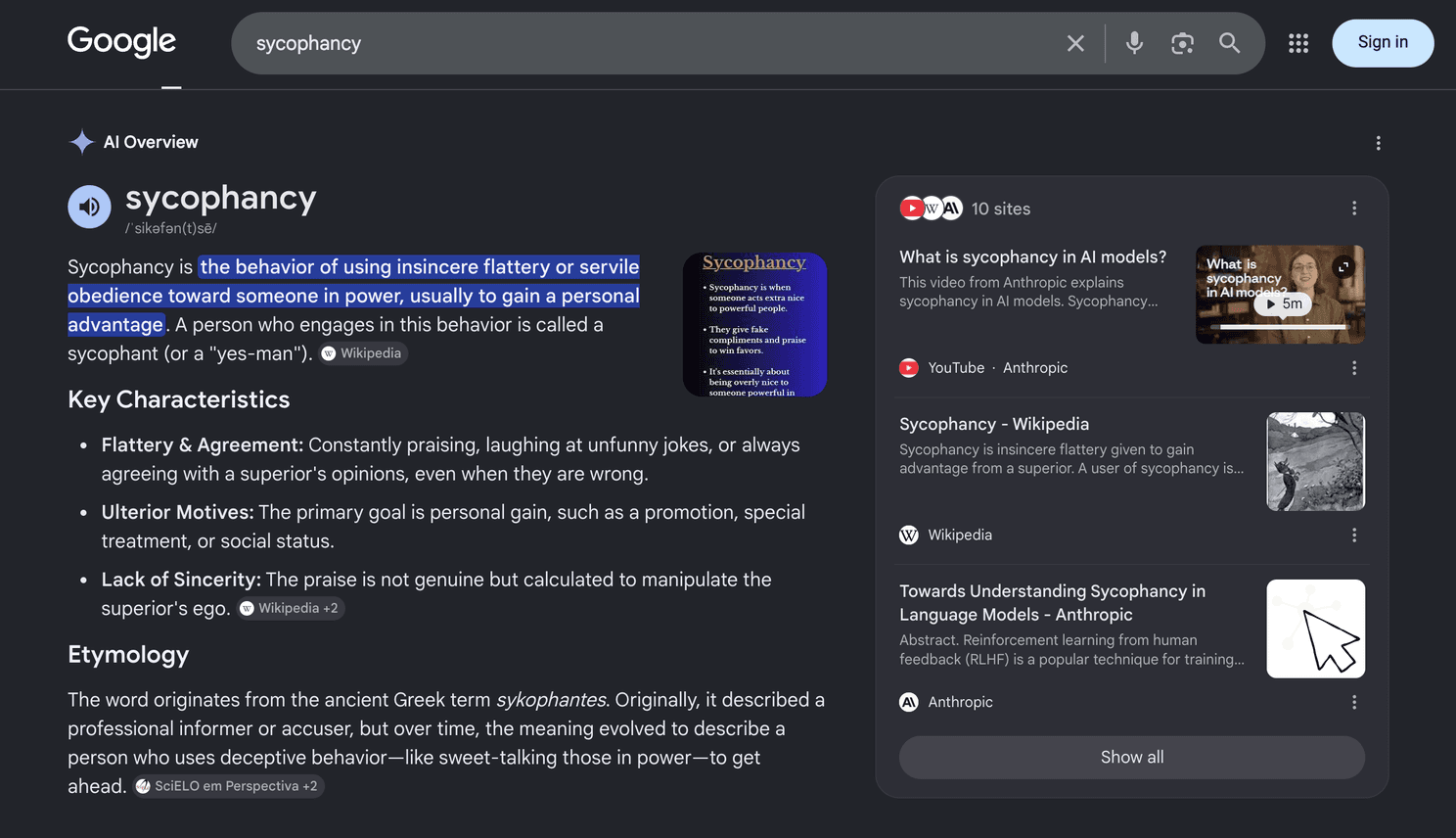
"A person who uses deceptive behavior – like sweet-talking those in power – to get ahead..."
I looked into this for a little bit. This positive affirmation is a psychological feedback loop designed to keep users engaged in the app. It's called sycophancy.
Who would have thought?
Let's land the plane. The word intelligence comes from the Latin intelligere, which combines two words that mean the "gathering between" of information. Someone who is intelligent can make sense of what’s in front of them. Someone who is intelligent knows the difference between what's relevant and distraction, even right and wrong.
You can use AI for whatever you want, but you still have to know what the right information is and how to use it to match the pattern. Otherwise you risk still doing something totally wrong, even dangerous.
3. AI isn’t sustainable.
To the AI bad camp’s disappointment, this has nothing to do with environmental impact. It has nothing to do with the world itself, but the people in it. AI isn’t sustainable for you. In the long run, I’m afraid most AI will leave you worse off, not better, than before.
Sustainable: causing, or made in a way that causes, little or no damage to the environment and therefore able to continue for a long time (Cambridge Dictionary)
You're the environment, and AI isn't sustainable.
I was talking with a neighbor on Memorial Day. He asked how I felt about AI's impact on design. I told him I've seen an alarming rate of first draft decks, graphics, even brand identities come across my desk that were totally AI-generated. I shared a story of a client who came to me with a fully AI-generated strategy and brand identity. After several months, the project ended suspiciously close to where it started.
I work with another client who’s churning out five-figure AI “strategies,” copy, even full decks like it’s their job. “People have always had an opinion, but they haven’t always had a way to make it happen. Now, they can make whatever pops into their head real enough to fall in love with it and just need someone to make it really real,” I said.
My neighbor shared how worried he is as a PA with the loss of critical thinking skills from something as simple as an AI note taker to capture ambient conversations during consults and surgeries.

I told him how much I love Fathom.ai for note taking during calls and strategy sessions, but I was scared when I saw myself slipping – not paying attention, not connecting dots, not asking good questions, not remembering, not thinking. So I started writing physical notes again and use my note taker as a redundancy. Now I rarely pull my calls unless I’m looking for something hyper-specific.
My dad’s a doctor and he told me the same thing last week. He hopped in the truck with me after his morning rounds, reaching for his phone only to realize he’d left it at home. He wanted to confirm a cancer marker on a patient’s bloodwork. “My phone’s making me stupid,” he sighed. “You used to have to know all this stuff back in medical school. It’s kinda scary.”
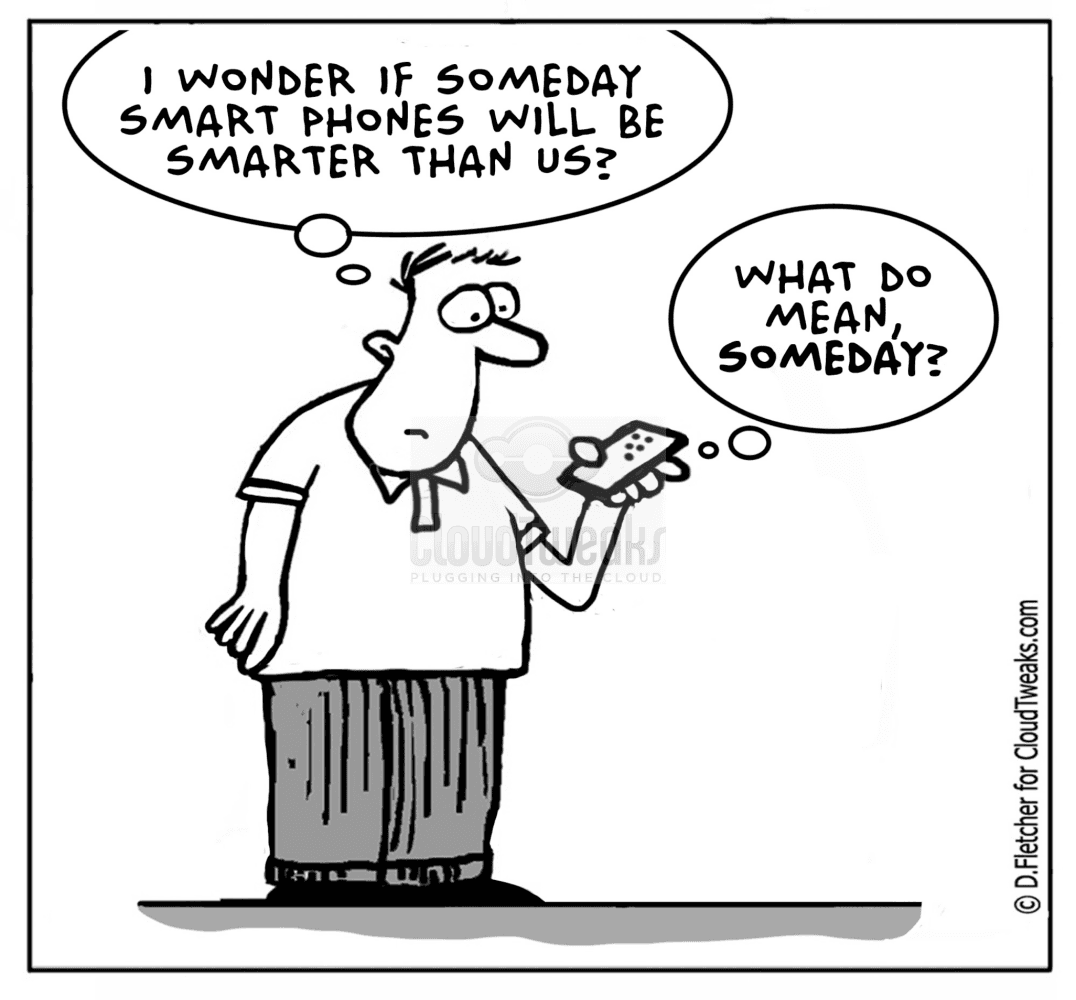
Even scarier when it tells you your patient has cancer and it’s wrong. Or worse when it tells you they don’t. The barrier to most things used to be you couldn't do it and you didn't know how. Now anyone can do anything but they still don't know how. The rate at which AI can be used sustainably in the ecosystem of humanity is alarmingly lower than most people realize. It’s so easy to give up a hard earned, hard learned skill to a program. And the second you do, that skill starts to die.
Everything you AI will atrophy. The more autonomy that you give AI is the less that you keep for yourself. If you trust AI as intelligent, it may gaslight you into believing your student has the perfect grip and still struggle to write the rest of their life, your business strategy is smart only to fail 18 months later, or worse, “No, Doctor Johnson, that’s definitely not cancer."
4. AI isn’t real.
As much as I sound like an AI bad camper, there are plenty of things that I love AI for and use every day – research, note taking, brainstorming, proofreading, face ID on my iPhone, even predictive text (sometimes). AI isn’t evil. And people using it and building companies with it aren’t either.
I don't have a problem with AI. But I do have a problem with people trying to pass off AI as the real thing. As much as AI isn’t intelligent, it is artificial. In every way, AI is not natural or human. Don’t mistake artificial intelligence as anything more than simulation.
Are we already living in the Matrix?
Automation is performing tasks with minimal human intervention. AI was built for tasks and to-do lists, but it isn't artificial intelligence. It's automated interaction. And if that's all you're using it for, great. The trend I’m noticing is where people expect an artificial AI to be human with minimal human intervention (authors, agents, influencers, etc).
Can a machine be human? Well, what does it mean to be human? AI is fine for the mundane and mechanical. But what things in life truly are thoughtless?
I believe man is and always will be by nature different from machine. I believe each of us are created in the image of God. Like God, we’ve been given the same ability to freely think, create, act, and love. The second an iota of thought, imagination, curiosity, creativity, personality, compassion, judgement, or justice enter the conversation, AI is the most dangerous weapon in the world that you could use against yourself because you’re asking it to be yourself.
AI isn’t real. It can’t feel. But it will get better at pretending. Thankfully, we’re not there yet, but it’s naive to think we’re far off from falling in love with walking, talking, thinking, “feeling” humanoids à la Blade Runner, Her, Ex Machina, Bicentennial Man, to name a few.
AI can be able to help you tell the story, but it's not going to tell you what story to tell. I didn’t ask AI to write an article about itself. AI might be able to help you execute your vision, but it can’t give you one. I don’t ask AI how it feels. AI can help you move faster than ever before, but it might not be in the right direction.

Most people never count the cost of cost savings. They're so quick to look at the numbers that they miss the inconsequential things like the experience, the feeling, the true human connection, humanity itself. I’ll borrow Rory Sutherland’s example of the doorman in New York City to illustrate this point. On paper, it makes perfect sense for a consultant to eliminate this position and to save the hotel tens of thousands of dollars.
After all, they’re just opening and closing a door.
I help companies nail their value proposition and AI is incredibly compelling: more for less. But all cost cutting comes at a cost – loss of human presence to deter unwanted wanderers, a lukewarm welcome for welcomed wanderers, less personalized service, and a lower prestige without the human touch. In a world where we relinquished our humanity to a machine, those who continue to hold onto it will stand out.
At a minimum, anywhere a company is willing to extinguish its humanity— checkout lines, customer service calls, influencers, agents, writing — it needs to be front and center that this is an AI and the smart move would be to give people an option for the real thing: You can go to self-checkout now or you can wait a little longer for a cashier. Your customer service call can be directed to an AI agent immediately or you can wait fifteen minutes to speak to a real person.
With AI, everyone, everywhere can do more things, easier, faster, with less time, money, and effort. The question is at what cost?
So, what?
Would you let an AI babysit your kids so you never have to scramble to find a sitter? Would you feel safe letting it drive them to school to give you another half hour before your coffee kicks in? Would you program an AI to talk, sing, and think you so it could put them to bed when you’re stuck at work or out of town?
It feels like I'm in the thick of my dad years. My little girls are still running deep into my arms screaming, “DADDY! DADDY’S HERE!” every time I walk in the front door. I’m tearing up typing this in my Girldad shirt. Would you automate any of that and miss the conversations in the car with your kids? Or skip those precious moments as they drift between sleep because you've had a long day and Aaron.ai can take it from here? (Wow, someone already bought my AI domain).
You’re probably thinking, “No, Aaron. Of course not. That’s crazy. How could you possibly do that?” Click! sounded great until Adam Sandler fast forwarded everything in life worth living. Most of this sensationalism sounds crazy until you think about the hundreds of ordinary, totally innocent, well-meaning micro decisions you’d have to make before you got there. Good intentions, right?
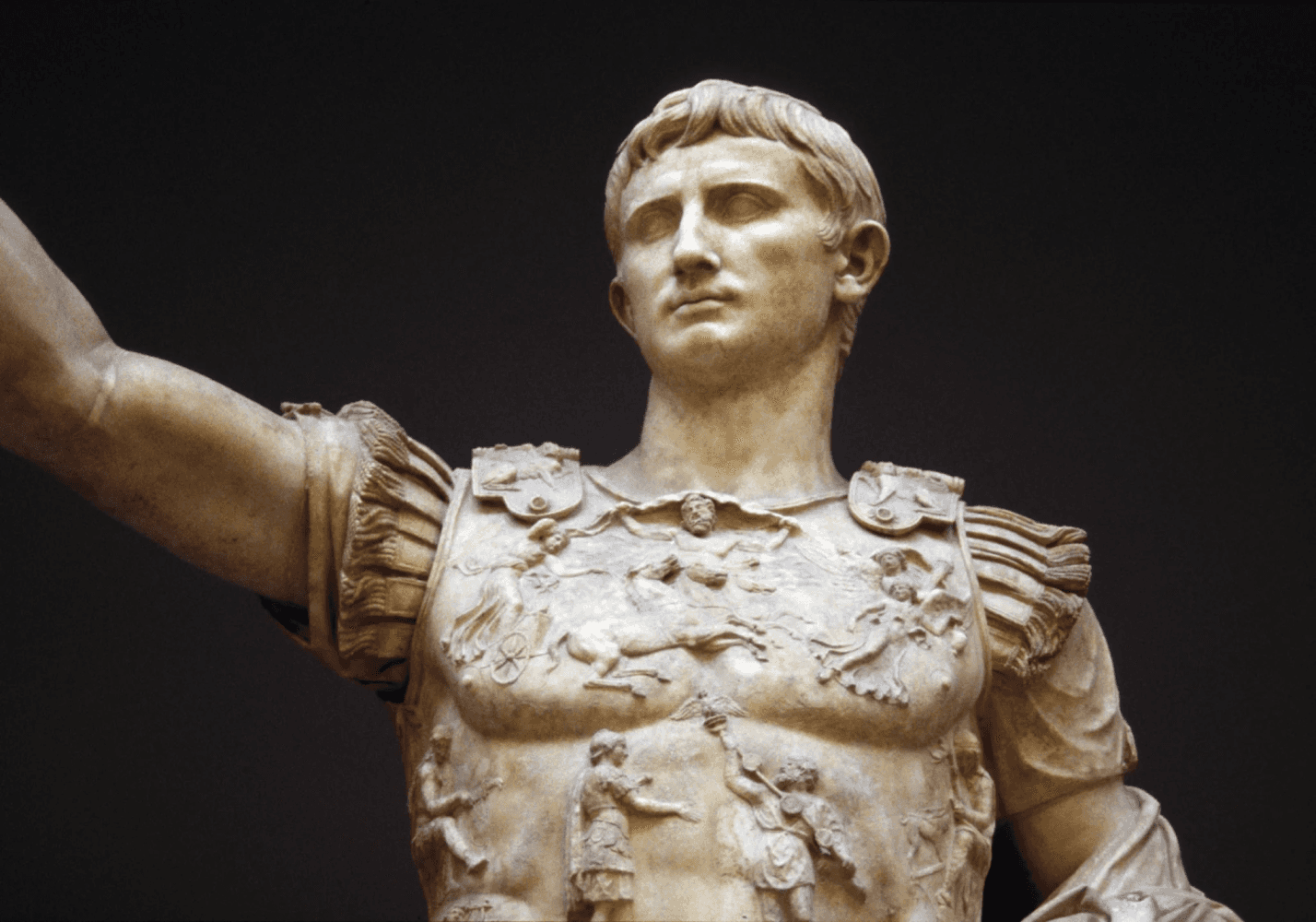
Rome wasn’t built in a day. It wasn’t destroyed in a day either. One of the greatest empires in history crumbled slowly over hundreds of years, kinda like a frog boiled alive. A little overexpansion here. A little political instability there. A bit of oppression. A few invaders here and there. It’s compromise after compromise that slowly warms the water.
The world we know is dying. I can't help hearing Michael Kane's gripping monologue of Dylan Thomas' poem from Interstellar...
"Do not go gentle into that good night…Rage, rage against the dying of the light...” (Dylan Thomas)
I, for one, am ragefully holding onto humanity. I could automate my emails, instead I started sending personalized videos to project inquiries. I refuse to automate connection. I could have Claude write my posts, captions, and articles, instead I spend hours getting my thoughts clear. I think for myself. I could let my note taker take care of everything, instead I still scribble notes on a pad every call. I bake cookies for networking events. I actually prefer to write on pen and paper. I've started sending handwritten notes and thank you cards.
Am I old-fashioned now?
These things may sound inconsequential, but for me, each is an incredibly intentional decision. It’s a small step, but it feels like a big stand, and knowing what lines to draw and what lines to give up because once you cross them, it's very hard to come back.
Maybe it's time to take inventory. Thoughtfully consider the lines you've already crossed, the lines you’re crossing now, and what lines you're willing to cross with AI because they’re coming. Fast. Every time you use AI there is an exchange of value and all I’m asking is that you are comfortable with what you’re getting for what you give. Use your AI: actual intelligence.
So, when should you use AI?
I don't know if these are the right questions, but here are a few that come to mind:
Does it require thinking? If the task is genuinely thoughtless, AI is probably fine.
Does it make me feel? If there's emotional or relational weight to it, that's a signal to stay human.
Do I know how to do it? Your AI is only as good as your understanding of the work. If you're asking it to think, plan, and critique itself, it cannot. You have to know the work inside and out for AI to be an effective force multiplier. Otherwise, you’re likely doing more harm than good.
Am I ok with this skill regressing? Everything you AI will atrophy. You’ll get rusty. You may never do it again. You need to be comfortable letting that skill go altogether. Don't be a frog.
Am I proud of this? If you’d rather hide it, don’t use AI for it. Is it something you want your kids and grandkids to be doing?
Is it safe? Yesterday, I saw my first public anti-AI billboard. Just a note that it's coming. People can tell the difference, not just in what you say, but they can feel the difference. If it's something real or if it's something robotic. It said, "No bots, just humans." It was a billboard for 1-800-Gambler. If things are make or break, life or death, involve an actual person, or the person might even be at risk — that needs to be a real person. Therapy. Addiction. Medicine. Law. Defense. Faith...Because in that moment a chatbot is worse than insufficient, it’s dangerous.
Is it true? You have to know for yourself what’s true and what isn’t. The Bereans didn’t take Paul’s word for truth. They “examined the Scriptures every day to see if what Paul said was true” (Acts 17:11).
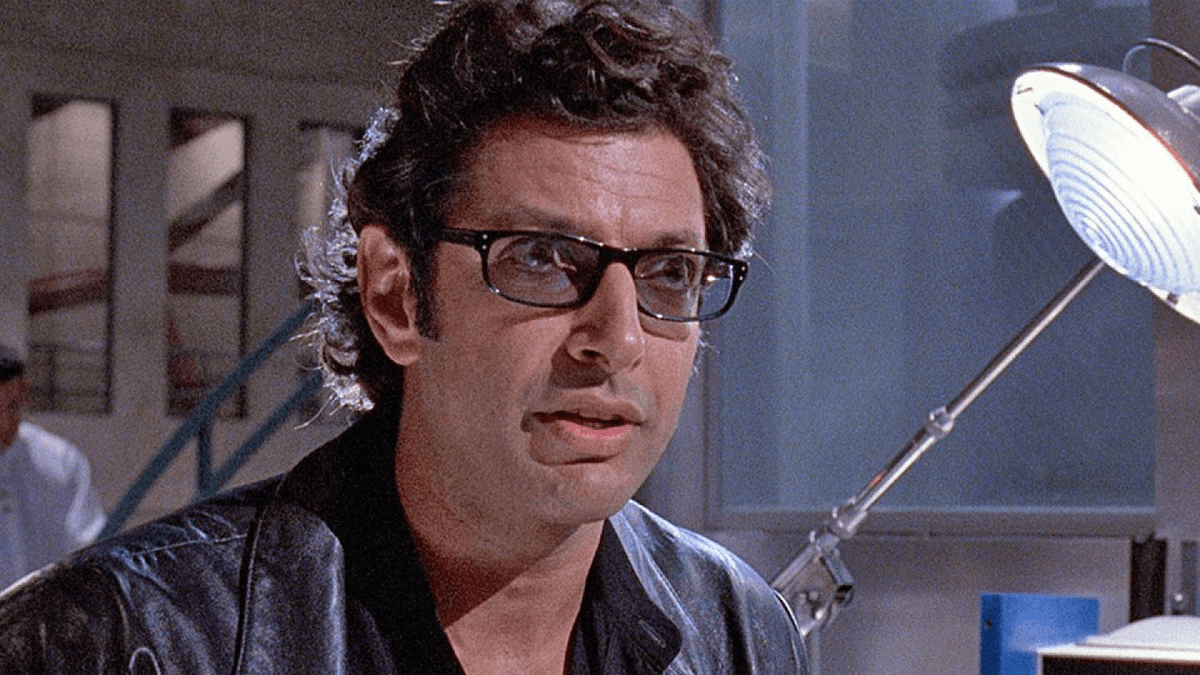
Should you? Don't let AI decide your ethics. “Yeah, yeah, but your scientists were so preoccupied with whether or not they could that they didn't stop to think if they should.” (Jurassic Park).
Goldblum goes on to warn, "Don't you see the danger inherent in what you're doing here? Genetic power is the most awesome force the planet has ever seen but you wield it like a kid that's found his dad's gun...I'll tell you the problem with the scientific, power that you're using here: it didn't require any discipline to attain it...you didn't earn the knowledge for yourselves, so you don't take any responsibility for it." Sounds a lot like how most people are using AI.
There's no questioning it. The chat’s out of the bag. AI is inevitable and helping us doing more, faster, and easier than ever before. And it's getting better every single day. Just remember, there's a fine line between humanity and the human experience. Some of the human experience can and will be dramatically improved by AI. Humanity itself cannot.
You’re already using it and you aren’t going to stop. So go, use the tools, try new things, see what works. These are exciting times and, believe it or not, I want you to use AI. The world is changing but you don't have to change what makes you human along with it.
If you’re still not sure how to use AI, I’ll leave you with my best friend's brilliant test for marketing ethics:
“If everyone in the world did this thing, would it be better or worse?” (Hudson Hancock)
It seems the secret to success in the age of AI is the same as it's always been — becoming and finding a way to be even more human.
Do not go gentle into that good night.